Coming Home Magazine – 2024-02 Summer Issue

Summer is upon us, and there’s no better way to celebrate the start of our favorite season than with a new issue of Coming Home magazine.

The theme of this edition is refresh—and we’ve crafted positive and energizing stories for you to enjoy. Within this issue, you’ll find lifestyle magazine articles for homeowners, including a fun word search, projects to revitalize your home, frozen treat recipes, a classic car guide, and so much more.

Take the Plunge: Explore the Benefits of Cold Plunging (Pg. 6)
A practice popularized by athletes and brave polar plungers, cold plunging is everywhere these days. From “cold plunge with me” videos on social media to new treatments offered at local spas and dedicated cryotherapy clinics, cold-water submersion isn’t going unnoticed. And maybe for good reason: exposing yourself to the cold, particularly after a long and strenuous workout, can only be good for you—right? In this article, we tell you everything to know about this ice-cool trend.

Batter Up: Everything You Need to Know About Baseball (Pg. 10)
Hey, batter, batter: swing! Your favorite pastime, baseball, is back. To impress your friends with all your on-field knowledge, we’re serving a cool refresher on the sport. We cover all the bases right here.

Summer Refresh: Must-Try Home Improvement Projects (Pg. 16)
Don’t spend all these daylight hours on wishful thinking; get up and go! Summer is the perfect opportunity to bring your home improvement dreams to life. Explore our list of fast—and fulfilling—projects you can knock out in one afternoon, one day, or just one weekend.

Chill Out: Frozen Recipes to Beat the Heat (Pg. 26)
Need to get a break from summer’s blazing heat? Enjoy one of our frozen recipes. In this article, we share recipes for:

    • Mango Strawberry Popsicles
    • Banana Splits on Sticks
    • Rosemary-Aperol Floats


The Ride of a Lifetime: An Overview of the Best Classic Cars and Where to See Them (Pg. 30)
The purr of the engine and the beautiful craftsmanship of a classic car bring joy, nostalgia, awe, and appreciation to car enthusiasts and spectators alike. Modern relics of when life went slower and dreams came faster, classic vehicles bear witness to that bygone era and take us on a journey of discovery, innovation, and lasting spirit. Ride along as we cruise through the lifetime of automotives, highlighting their monumental impact at the turn of the 20th century and relevance in today’s future-focused world.

Stars & Stripes Standards: How to Properly Display the American Flag (Pg. 32)
The Fourth of July is just around the corner, and millions of people will fly flags to recognize the patriotic holiday. If you plan on touting this iconic symbol of freedom, remember there’s a right way to set up, display, and dispose of the flag. Explore important flag etiquette reminders for a successful celebration.

Ready for Anything: Five Emergency Preparedness Tips You Can Use Now (Pg. 34)
We’re all at risk for severe weather. Whether it’s torrential rain and flooding or extreme heat and wildfires, there’s likely some form of weather-related natural disaster that your area is familiar with. To keep yourself and your family safe, it makes sense to be prepared—especially when doing so is easy. Discover five simple things you can do now to prepare for an emergency.

Please enjoy this edition of Coming Home!

Financial Risks of Choosing an Unproven Management Firm

Consider the financial risks of hiring unproven association management firm

With the recent changes in the U.S. housing market and the rise of online real estate platforms, many less experienced real estate agents and brokers have shifted their business from real estate sales to condominium and homeowners association management. While some smaller, unproven management firms may have a great sales pitch, there are potential risks associated with smaller, less experienced, and less financially secure management firms that could have a major impact on your community association, such as:

Impartial Manager Fiduciary: A small management company will have fewer HOA managers, and they may be overly reliant on one or two managers, who may also be principal owner(s) of the management firm. It is important for the community manager and firm to have an independent relationship for the continuity, transparency, and efficiency of the HOA operations. It can also take time and resources for less experienced managers to learn the specifics of the HOA and establish a reputation and rapport with the board and the homeowners. Does the smaller firm have the experience, financial backing, employee recruiting opportunities, and insurance coverage to survive and guide your association through any financial or disaster situation? If the smaller firm had a financial setback, would your association be impacted? It is important to understand the financial risk you are taking as a board member of your association.

Lack of Communication: An unproven management company may not have enough staff or advanced systems to respond to the HOA’s queries or concerns in a timely manner. This can lead to frustration, misunderstanding, legal issues, and mistrust between the HOA and the management company.

Low-Quality Vendor Services: A less experienced management company will not have a rigorous vendor selection process or a wide network of reliable and reputable insured and licensed vendors. This can result in low-quality or overpriced services for the HOA and a lack of independent financial oversight of the relationship between the management company and the vendor. The ethical issues can also carry over to the Board of Directors and affect the long-term maintenance and financial strength of the community and insurance coverage. All three items can have a detrimental impact on the resale value of homes within the association.

Inadequate Accounting and Reporting: A small management company may not have the expertise or the technology to handle the HOA’s accounting, reporting, and Human Resource needs. This can result in errors, discrepancies, or delays in the HOA’s financial statements, which can affect the transparency and accuracy of the HOA’s financial health.

Risk of Income Loss: A smaller management company may not have the skills or the tools to manage the HOA’s cash flow, collections, and reserve funds. This can result in a decrease in revenues or an increase in expenses, which can affect the HOA’s ability to fund its operations and capital projects.

Risk of Fraud, Theft, or Embezzlement: Last but certainly not least, a smaller, less experienced management company will likely not have the proper safeguards or controls to prevent or detect fraud, theft, or embezzlement of the HOA’s funds, including from online cyber security threats. This can result in a significant loss of money or assets, which can damage the HOA’s reputation and financial stability. We have helped many associations over our history that have had funds stolen from smaller management companies leaving the community in financial shambles. CMA has the experience and resources to help any association recover, but it can take years to fill the hole which will impact the resale values and insurability of the association.

These are just a few of the possible financial risks of an HOA going with an unproven management company. However, not all management companies are the same, and some may provide excellent service and meet the needs of your community. It is important for the board to do its due diligence and research before hiring any management company, regardless of its size. The board should also monitor and evaluate the performance of the management company and its insurance coverage and licensing regularly, and communicate any issues or concerns as soon as possible to reduce the financial impact on the association.

CMA has the expertise and resources to help guide your association through any crisis or loss. As the largest community association property management company in Atlanta, Alpharetta, Augusta, Dunwoody, Peachtree City, Roswell, Birmingham, Fairhope, Nashville, Destin, Santa Rosa Beach, and Naples, we are here to help your community thrive.

Request Proposal


What Makes CMA Different?

What makes CMA different?

If your community is considering a new community association management company, as the leader in association management throughout the southeast, Community Management Associates may be the solution your association has been searching for. Our core values of loyalty, integrity, trust, mutual respect, and professionalism have helped us become trusted leaders in the industry. Client satisfaction is our primary objective, and we are willing to go the extra mile for all our valued customers. We actively participate in the communities we serve to make a difference from within. Choose CMA and get the level of service your community deserves.

Unmatched expertise!

CMA belongs to several chapters of the Chamber of Commerce, the Community Associations Institute in Georgia, Florida, Tennessee, and Alabama, and many other licensing organizations in the southeast. Our community association managers meet or exceed the state licensing and certifications requirements in every state we serve. They have the professional skill set to help communities thrive. The PCAM designation is awarded to the top managers that specialize in community association management. CMA is proud to hold the highest number of PCAMs of any association management company in the region. Our experienced managers have advanced skills to tackle any situation that comes their way. We make it a point to assign communities to managers based on geographical proximity so the community receives the best possible service and our managers spend less time in traffic!

How do we ensure excellence?

CMA hires talented state licensed community association manager professionals who are willing to innovate. We focus on the combined strengths of the team as a whole, allowing everyone to share their new ideas and initiate valuable collaborations. Not only will your community have access to your assigned association manager, but each community association manager is also supported by our client services team and a supervising manager to assist residents and board members as needed. CMA also offers after-hours emergency call service to handle emergency calls during non-business hours. CMA is always available for your community. We are always looking for inventive, highly motivated professionals interested in community association management to join our team. Find your career with CMA.

We offer a wide range of services!

One of our main strengths at CMA is that we offer customizable service solutions to meet the unique needs of each community. Whether your community needs full service with concierge staff, financial only or developer management through the turnover process, CMA can customize a solution for you. We know that every association has its distinctive characteristics, and we want to preserve those details and character. We strive to ensure that you are proud of your home and community by offering a wide range of services. Whether you need help for property management in Atlanta, August, Birmingham, Nashville, Destin, Santa Rosa, or Naples, we are always here for you. Our customer service is  ready to answer your calls. Some of our popular services include:

We help Homeowners Associations operate smoothly so they can maximize their resources and keep the community financially secure.

Training for new board members.

Our team of talented managers will be able to gauge the needs of the community preemptively. CMA will handle all communication efficiently to ensure that your owner residents are heard.

Accurate and transparent association accounting of financial records is vital to community association management. Our in-house financial experts will provide you with 24/7 financial visibility so you know how your association funds are being handled. Newer or smaller management firms with less oversight and experience can’t provide your community with the same financial peace of mind as CMA.

We can help you with payroll, assessment collection, annual budgeting, special assessments, capital improvement loans, insurance reviews, annual contract reviews, and many other important association functions.

You can contact us here!

Boosting Neighbor Participation in HOA/Condo Meetings

Boosting Neighbor Participation in HOA/Condo Meetings

Homeowner engagement is one of the main pillars of a strong community. Existing and new homeowners need to be involved in the community and participate in HOA meetings often. HOA meetings are an essential part of community association management, as they allow the board of directors and homeowners to communicate, make decisions, and resolve issues that affect the community for years to come. Participation in HOA meetings is important for both the board and the homeowners, as it ensures that the community’s needs and interests are represented and addressed timely.

Participation in HOA community meetings is encouraged and sometimes required by the governing documents. Board members and homeowners have the right and the responsibility to attend, speak, ask questions, and vote at the meetings, as appropriate. Participation should be respectful, constructive, and relevant to the agenda items. Virtual participation can help increase engagement due to everyone’s personal responsibilities. With virtual participation owners are give the option of attending and participating in HOA meetings remotely, using technology such as phone, video, or online platforms. Virtual participation may be allowed or required by the governing documents, the state law, or the board’s discretion, depending on the circumstances. Virtual participation should follow the same rules and etiquette as in-person participation, and should ensure that the meeting is accessible, secure, and transparent.

As more homeowners begin to participate in HOA meetings, you will be able to collect feedback and create a well-managed community. If you are looking to boost attendance at your HOA/condo meetings, you can use the following tips.

Welcome the new homeowners

Many homeowners like to be formally welcomed into the neighborhood. It helps them recognize the role of the HOA in the community. You can send a welcome package curated by the HOA, so the new homeowners feel welcomed. Make sure to include items that feel personal to your community. Setting up a Welcoming Committee is essential to program consistency.

Host social events

Neighbors need to meet each other and establish camaraderie to create a thriving community. HOA meetings will see higher attendance when the neighbors feel as if they are doing something together for the community. Organize a few social events throughout the year so that homeowners in the neighborhood get a chance to get acquainted.

Widen the scope for participation

The prospect of simply attending meetings might not be appealing to many. You will benefit from providing them with an incentive to attend the meeting. Consider the broader interests of the community and how the residents can actively participate in decision-making. Creating volunteer committees will provide homeowners an avenue to engage with the community further. Committees allow everyone to share the responsibilities and have regular interaction. 

Depending on the activities and interests of the board, you can start a Neighborhood Welcome Committee, a Landscape and Beautification Committee, a Homeowner Education Committee, a Finance & Budget Committee among others. This will help to foster a sense of community and responsibility which will increase participation in HOA meetings since everyone will want to stay updated in regards to their committee.

Regular communication

The HOA has to maintain regular communication with each of the homeowners to keep them engaged. Social media and emails have made it so much easier to broadcast information and keep everyone in the loop. You can issue a notice about the next HOA meeting and include the time and date so that more people are aware of it. Keep improving your communication methods. Working with a community manager at the leading professional community association management company in the southeast can alleviate the administrative burden on board and committee members. Make use of the advanced technology and web portal solutions that Community Management Associates has to offer every client. 

Be punctual and respect everyone’s time

A board meeting should begin and end at the specified time. Homeowners like to know how much time they will be spending at the board meeting so they can arrange their schedule accordingly. Shorter and crisper board meetings will see higher attendance. If you develop a reputation for disrespecting everyone’s time, then homeowners will be less likely to get involved in the proceedings.

Reward engagement

Once the attendance of your HOA meeting goes up, you have to maintain the efforts. Show appreciation for the attendees so they continue to show up.

Boosting neighbor participation in HOA meetings will lead to new ideas and transparent community improvements. CMA can offer our decades of experience and resources to help encourage participation for a stronger HOA or condominium community.

In summary, community association management participation in HOA meetings is a vital aspect of maintaining a healthy, harmonious, and successful community. By following the rules and guidelines for HOA meetings, board members and homeowners can ensure that the meetings are productive, transparent, efficient, fair, and that the community’s best interests are served. For more information on improving community association management participation in HOA and condominium meetings, please contact Community Management Associates. CMA offers decades of experience as the premier association management company in Atlanta, Alpharetta, Dunwoody, Norcross, Peachtree City, Augusta, Birmingham, Fairhope, Nashville, Destin, Naples, and Santa Rosa Beach.

See how Community Management Associates can help your community increase owner participation for your community association. Request your customized community association quote today.

Request Quote

Fall Landscaping Ideas for HOAs

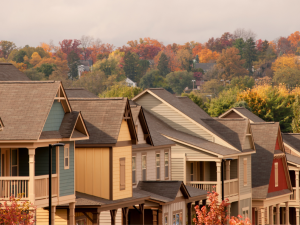
Autumn Homes

With fall’s agreeable temperatures enticing people to get outside, now is the perfect opportunity to refresh your neighborhood’s landscaping for a more visually appealing and welcoming atmosphere. Read on for information on what to do before tackling a project and a few simple fall landscaping ideas to boost the appearance of your community.

Any homeowners’ association (HOA) or condominium association (COA) strives to create a warm and welcoming environment where residents can make the most of community living. An inviting community encourages homeowners to take advantage of shared amenities, engage with neighbors, and enjoy the comforts of their neighborhood after a busy day.

What to Do Before Tackling a Landscaping Project

Before diving into these fall HOA landscaping ideas, review the landscaping rules in your governing documents for prior approval before making any changes to your landscape. Your community’s regulations will help you maintain your community’s consistency and avoid designs that disrupt the neighborhood’s aesthetic. For example, your HOA may require all landscaping to follow an approved color palette. This ensures that outdoor areas around the community are cohesive and complementary.

Because every community is unique and has its own style, following your HOA’s landscaping maintenance guidelines is vital. Remember, what works for a neighboring association may not be best for yours. Use your HOA rules to guide you as you look for new fall landscaping plants, flowers, and other ideas for community grounds.

Once written approval is obtained from your community, put the project out to bid with reputable and vetted licensed and insured service providers. Once a contractor is selected, make sure the contractor is aware and follows all community guidelines.  Whether you are hiring a professional contractor, or tackling the project yourself, prior to starting any work, find out if your project needs a local county permit and call 811 to locate and mark all underground utilities prior to any digging.

Fall Landscaping Ideas for HOAs

By making small changes around the neighborhood, you can quickly—and easily—transform how your community looks and feels. Here are four ways you can take advantage of the season and enhance the community’s overall aesthetic.

1. Outdoor lighting.

When it comes to fall landscaping, simple lighting updates will make a big impact. Better outdoor lighting can have a dramatic effect on outdoor landscaping, help you save on energy costs, and make the community safer. Here are some ways to upgrade your exterior lighting:

  • Set lights to a photocell sensor or solar timer. These devices automatically turn lights on when it gets dark and off when extra light is unnecessary. They not only save energy, but also enhance safety and security—nothing looks more inviting than well-lit streets.
  • Stay on top of replacing bulbs. Changing a single bulb at a time can be costly, so have all bulbs inspected and replaced as needed this fall. This will typically allow you to purchase bulbs in bulk, providing a savings opportunity.
  • Switch to energy-efficient lighting. The pricing and quality of light-emitting diode (LED) and solar lighting have significantly developed over the last decade. To save on energy, consider migrating to LED lamps in your existing fixtures or replacing them with solar lighting.
  • Add uplights and spotlights in outdoor areas. Beautiful outdoor lighting highlighting community trees, fountains, and other landscaping features can instantly boost curb appeal and security.

According to the National Association of Home Builders (NAHB), a nationwide survey showed that homebuyers’ most-wanted outdoor feature was exterior lighting. With such an important emphasis on lighting, upgrading your HOA landscaping lighting may be worth the effort.

2. Plant trees.

You can easily add to your community’s ambiance and increase property values with trees. With fall’s mild temperatures and ripe soil, now is the perfect time to plant them. However, the placement and size of trees are crucial. Although you should incorporate a balance of plants and trees, confirm the species and types don’t grow so big that they overcrowd and block homes or buildings. Plant trees that offer minimal fall landscaping maintenance and draw attention to community structures and shared areas.

Depending on your location, popular tree types that may be a great addition to your community include:

  • Crabapple trees
  • Magnolia trees
  • Oak trees
  • Palms

In addition to improved community appearance, research shows that neighborhoods with thriving trees may also experience less crime than communities with no trees. While you should check your governing documents for restrictions and defer to your landscaping vendor on what trees work best in your community, it’s something to think about as you move forward.

3. Tidy up and clear out foliage.

Preserve community grounds and ensure that common areas don’t have overgrown grass and unkempt landscaping. A property that looks like it’s not taken care of can leave a bad impression on potential homebuyers and limit resident satisfaction. Make an effort to keep neighborhood grounds tidy by:

  • Trimming trees and bushes
  • Cutting grass and tending to garden beds
  • Clearing out broken or dead branches and rotted wood

4. Refresh mulch.

Maintain plants in common areas throughout the season with a thick layer of mulch. A three-inch layer can drastically reduce weed growth, which will save on the cost of fall landscaping services. Also, healthy mulch offers a crisp, clean, and refreshed look to your community landscaping, which helps create the beautiful environment you want for your HOA.

However, avoid piling mulch up against tree trunks and shrub stems. This allows pests to burrow under the mulch and gnaw on the plants and roots. Leave at least an inch gap between the stem or trunk and the mulch for optimal plant health.

Improve Community Living with Regular Fall Maintenance

Updating your landscaping this season is a great goal, but keeping your community’s buildings, grounds, and systems in good working order this time of year is crucial as we head into winter. If you have any questions about your community’s guidelines, please contact your association manager.

What Does a Community Management Association Company Do

What Does a Community Management Association Company Do?

Ever wondered why your cul-de-sac was so peaceful growing up? No fights, clean lanes, friendly neighbors- your local community association probably had something to do with all this.

Local Community Associations 

Neighborhood homeowners play an essential role in maintaining common spaces and improving community welfare. 

A community association comprises volunteers, as well as elected and mandatory members. Larger communities often have member fees, while smaller neighborhoods are mostly civic bodies.

When to Hire a Community Management Association Company

With an efficient community association at the helm, people don’t easily notice things like property taxes or association fees and vendor rates. It is when this system breaks that they realize the importance of their roles in their daily lives. 

In dire cases, a community management association company is called to help oil the gears of this resident community.

Role of the Community Management Association Company

 It offers assistance to the HOA (homeowners association) in administration or finance. This service helps the community association a great deal. More prominent neighborhoods benefit particularly from the budget sessions and vendor billing tips that the company associate provides.

Community management association companies have been around for some time. Businesses like Atlanta’s Community Management Associates have over three decades of experience.

They are usually hired by overworked community presidents or stressed boards of directors. And after signing relevant paperwork, the company starts on its role. 

Role of Community Association Company Manager

A community association manager is dispatched to the neighborhood as a representative. The manager also helps the struggling local association in tasks like neighborhood budget planning, professional billing and common area maintenance.

While his roles may include finance and administration, his goal is always to enrich the entire community.

Finance and Administrative Skills

 The company manager is skilled in community management while being an expert in negotiations and conflict resolutions. If the board of directors are hesitant about loan applications, they can consult with the community association manager. 

The same can be done for advice on tax returns, service contractors and venue management.

All good community management association companies interact with the people of the neighborhood. The residents provide crucial feedback on necessary changes for protection against vandalism or the monthly billings.

Importance of Community Management Association Company

A neighborly bond is a valuable thing, but it can be a con in some instances. Community volunteers and the board of directors are often reluctant to broach the topic of finance with their fellow residents. 

Hiring the service of a management company like Community Management Associates can easily solve this problem. A third party will have no problem talking bills, fees and finance with the neighborhood residents.

Even tricky conversations regarding complaints and fines can be presided over by the community management association company. The manager relieves an enormous load off the community president/board’s back. As a result, they can focus on more important work like budgets and community safety.

Hiring a community management association company is the answer if you want your neighborhood to work like well-oiled clockwork.

Condo Safety Resources

Condo Safety Resources

The recent incident of the Florida building collapse has left people in shock. Homeowners are beginning to question the safety of their own condos. As a result, they are now more willing to be proactive about their safety and security. Residents and homeowners want to take responsibility for their own well-being and ensure that no accidents happen. Every single community member needs to take the appropriate measures and participate in community building safety. Whether it is condo safety Atlanta or condo safety Augusta, everyone should take it seriously. 

Ask the important questions

While different states have put forth different clauses and requirements for building safety, some standard guidelines can be followed by everyone. Every community member, regardless of where they live, should ask the following questions:

  • What are the steps that have been taken to make the building safe?
  • How much investment has been made into safety equipment and protocols?
  • Is there a financial reserve plan for repairs and replacements?
  • Are the community guidelines updates regularly?
  • How often should professional engineers inspect the structural integrity of the buildings?
  • What are the resources set aside for any accidents?

What can you do?

As a homeowner, you do have a say in how the condo operates and you should utilize that power. 

  • Homeowners have to familiarise themselves with their rights and responsibilities. 
  • Attending board meetings is essential because it is the easiest way to convey your grievances to the condo committee with the support of other homeowners. You will have the stage to present your problems and fears openly. 
  • Do not ignore communication from the community and stay up to date with the latest developments.
  • Do not be afraid to ask questions during community events.
  • Be prepared to fund reserves for necessary replacements and repairs.

Do your research!

Being self-sufficient will help you take the best decisions for yourselves. You can do your research online or you can even ask the condo manager to provide you with resources that you can study. This will also encourage your neighbors to do the same and the management will go the extra mile to take proper safety measures. We have linked some resources for you below:

You can also access more resources here.

Responsibilities of the Board

Board members should keep an eye on the needs of the condo and take measures before it is too late. They should schedule inspections every other month to find out whether there are any structural problems that have to be resolved ahead of time. It is important to review the reserve plan and ensure its efficacy. The reserve funding plan should be implemented using the best practices. Being transparent about funding and resources with residents and homeowners will make the process smoother. Frequent communication is key. Formulating a disaster management plan can also prove to be helpful. 

Everyone deserves to feel safe in their own living space. Stay aware and take initiatives to secure your future. 


You’re a New Volunteer Neighborhood Board Member: 5 Things You Should Know

You’re a New Volunteer Neighborhood Board Member: 5 Things You Should Know

The neighborhood board requires active participation from members so that there is continuous improvement. If you have chosen to become a volunteer board member, you should know your duties and responsibilities clearly. It is important for you to be efficient at what you do and remain approachable to homeowners. 

These are the five things you should know as you accept this new role:

You cannot focus on personal interests

When you join the board, you will be subjected to a lot of different opinions. Homeowners and other board members will expect you to side with their personal interests. You have to remain as neutral as possible. You should focus on serving the best interests of the association as a whole. 

It will not be possible for you to cater to individual people. Be wise and use sound judgment to make the correct business decisions for the association based on the available resources and circumstances. 

You have to provide residents with participation opportunities 

Residents and homeowners will be more willing to participate in the community and work together if they feel included in the board decisions. Give them a chance to comment on the matters facing the board so that they feel valued. 

You can organize events for residents where they can participate and have an open discussion without any bias. Suppressing someone’s opinions directly can lead to backlash for you.

You cannot accept gifts from residents

With great power comes great responsibility. As a board member, you will have the ability to take decisions that affect the entire community. It is likely that you will have residents coming to you for support. They might even offer you some gifts in exchange for your help. 

However, it is unethical for you to accept any direct or indirect gifts from residents, vendors and owners. It can be seen as bribery since you are in a position of power. You must politely decline any gifts that come your way.

Always stand by the board

There will be times when you might not fully agree with the decision of the board. You might be in the minority in regards to a particular action. However, you always have to speak in support of the board. You have to uphold the singular voice of the board to avoid confusion. You have to accept all the duly-adopted board decisions even if you have personal objections.

You cannot engage in any personal attacks

Maintaining composure and being charismatic will help you a good board member. You cannot engage in personal attack or issue threats to get your away. You have to follow the code of conduct with residents, owners and other board members. 

Also be particular about maintaining confidentiality of the board meetings. Leaking information without the permission of the board can lead to penalty.

You have to remember that you are accepting responsibility when you become a voluntary board member and remain committed to it. Property management Atlanta expects voluntary board members to be ethical and efficient. 

What To Know About Opening Your Pool

With communities finally looking beyond the pandemic, more people are impatient to go back to their hot summer’s day dip at the community pool. 

Now, these pools are not only a great source of relaxation for residents, but also significantly increase the asset value of properties within your Homeowner’s Association (HOA).

If you’re planning to open a community pool post the pandemic, there are a few things you should know.

Getting a permit and adhering to statutes 

Should you be planning to build an ingrown swimming pool, you need to get specific licenses and permits from your local municipality. Talk to your municipality for all the necessary documentation and receipts you will need. 

Additionally, you will have to adhere to the regulations set by your federal, state or local authority for running a swimming pool post-pandemic. Click here to know about maintenance requirements recently implemented by the California Legislature that community pools within large HOAs need to abide by.

You can use CMA’s services to get your HOA an on-site manager who can take care of all the licensing related to opening a community pool. CMA currently has nearly 150 state-licensed association managers working in Florida, Georgia and South Carolina. 

Setting guidelines 

Your HOA needs to develop a comprehensive set of guidelines that residents can follow while using the swimming pool. 

Some rules that you can incorporate into your guidelines are:

  • Restrictions for children to use the pool without adult supervision.
  • Restrictions to take play toys, food items or drinks inside the pool. 
  • Using proper safety gear required for swimming.
  • Identification check before entering the pool. 

In addition to this, you need guests to maintain social distancing protocols in and around the swimming pool. For this, you can have time and maximum occupancy restrictions while using the pool area. 

If you are a large HOA, playing catch up with the rules and regulations can be tough. Taking the help of a community management consultancy like CMA will make this process a lot easier for you. 

Staffing 

Ensure the safety of your residents by having adequate staff in and around your pool. The team shall include lifeguards to prevent accidents and attendees from looking into inconveniences faced by residents while using the pool. 

If you are a large HOA with many people using your community pool, you may want to hire a pool management company. 

Management 

Pools can enhance your property’s aesthetic value and marketability but may also lead to accidents and mishaps. Maintaining a community pool safely and efficiently requires a great deal of commitment from an HOA. 

Building and maintaining a pool for your community requires a significant investment. CMA’s unique corporate structure offers boutique-style custom services that let you reap the best out of your pool experience. With CMA, you can enjoy the benefits of a community pool within your HOA without having to go through the trouble involved in setting up and maintaining it. 


Community Association Living: What to Expect

The community management association is a fundamental consideration if you plan to buy a home. You’ll likely have to take part in it as well.


What can you expect from living in a community association? That’s what you’ll learn today, as well as a few tips on how to build a better association.

It depends on the type of community association

The Community Associations Institute splits community associations into three types in its introduction to association living.


The association category depends on space ownership by the homeowners.

  • Planned communities

The most common type of community management entitles homeowners to the property, residence, and its lot. Residents own their interests separately from their neighbors.

However, membership is mandatory, and common areas belong to the association, though members still have obligations with them.

  • Condominiums

In condos, homeowners usually own the space within their homes. However, the land underneath their unit and its physical boundaries are not their property.

However, owners usually act as co-owners for common areas. The association may still own properties, but it depends on state law.

  • Cooperatives

In the rarest community association category, a corporation owns all properties making up the cooperative. Homeowners are entitled to shared interests and occupation rights.

Board members are more similar to shareholders, and the association owns more than common areas.

Rules and fees

Most homeowners relate their community management association with regulation. Assessing your association’s rules is the first step to get along with everyone.

Let’s go through the most common types of rules.

Esthetics

Most community associations are relatively strict with what homeowners can do with their homes’ exterior. It’s more prevalent in condominiums, but you should always ask about outdoor decorations before breaking any rules from your association.

Pets

Not all communities are pet-friendly, but even the ones that are might have restrictions. Check whether pets are allowed and which races are permitted.

Occupancy

Your community association may limit whether you can rent your home for short or long terms. Some communities may also restrict the number of people per unit.

Vehicles

Finally, some associations restrict specific vehicle categories, like food and business vehicles, boats, and trucks.

Governance

Governance depends on the type of community association, but most communities follow the same approach. All homeowners are members of the board, and they’re responsible for partaking in meetings and decisions related to rules and community developments.

Community management

Finally, we can split management approaches into three categories. A community management association can come in many ways.

Homeowners aren’t always direct managers. The association can come from volunteer work or third-party services.

  • Volunteering

Volunteer community associations work from the homeowners’ will. The board manages the association directly, or they can create committees with groups of residents.

  • Association employment

Some associations prefer to employ a dedicated community manager. This manager works under the board’s direction for a salary.

  • Management firms

Finally, the community association can hire a management company. These companies send a representative who acts as the community manager.